

Very few tropes have stayed in relevance inside the literary community, as its medium has been explored and reinvented many times. A historical drama is one that has withstood the test of time, as it has been constantly made again and again. Part of the appeal lies in the distance they create — so familiar though far enough that readers can fantasize about it. The settings, customs, societal rules differ from our own, and the emotions at the heart of the stories are familiar.
The appeal of historical fiction stems from its balance between strangeness and familiarity. They take watchers to worlds they have never experienced and remind us that people who inhabited them grappled with the same universal emotions, love, ambition, family dynamics, and social status struggles. Historical dramas thus offer more than mere escapism; they act as mirrors to self reflection of ourselves. It showcases societal evolution, and illuminates aspects of human nature.
Pride and Prejudice
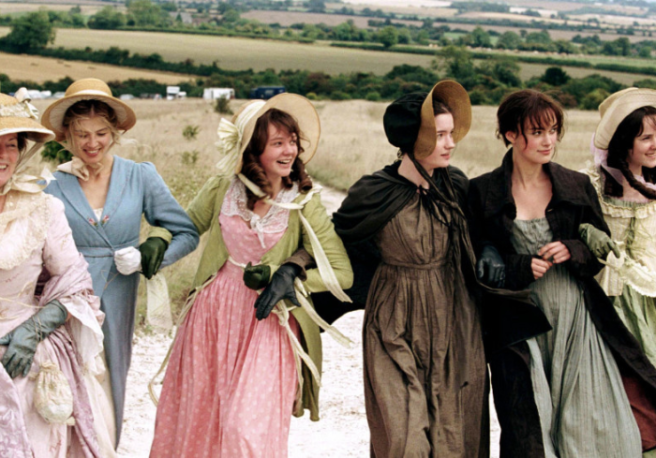
It seems no historical piece has aged as well as Pride and Prejudice, in the sense of cultural relevance and meaning within. The firm, directed by Joe Wright, stars Keria Knigltely as Elizabeth Bennet and Matthew Macfadyen as Mr. Darcy. The firm has become a beloved adaptation of Jane Austen’s classic novel. Its popularity lies in its ability to balance historical authenticity and emotional immediacy. The genre appeals to issues that we still have in modern day society as it reflects on the character’s stubbornness and how another’s words can misconstrue a person as a whole without understanding them fully. At its heart, the file succeeds because of the relationship between Elizabeth and Darcy. Their romance unfolds through glances, major misunderstandings, pride, and vulnerability rather than illustrating grand declarations of love. In an era of instant communication, there is something deeply satisfying about a love story that develops slowly, allowing tension and anticipation to build. The
The Bennet sisters navigate a world where marriage is often tied to financial security and social standing, yet Autopen’s story remains surprisingly modern in the emphasis on personal choice and emotional compatibility. Elizabeth’s refusal to settle for convenience over genuine affection continues to resonate with audiences today.
His Other Bennet Sister
More recently, the lasting influence of Austen’s world has been revised in The Other Bennet Sister, based on a novel written by Janice Hadlow. The story shifts the focus from Elizabeth Bennet to her often overlooked sister Mary. For many viewers, this represents a growing trend within period dramas revisiting familiar stories through a new perspective. Mary Bennet has long been dismissed as awkward, bookish, and socially awkward. In placing her at the center of the narrative, The Other Bennet Sister asked audiences to reconsider characters who are often overlooked though they exist in these beloved stories. It follows her path to self discovery outside of her parent’s company, which allows her to find love despite being deemed a Single person. All her negative thoughts are replaced with pieces as she discovers a world outside the home she’s always known.
Together, Pride and Prejudice and the Other Bennet sisters highlight why period dramas continue to end. They offer more than an escape into the past;; they offer more; they provide an insight into the complexities of human relationships. Though Elizabeth’s condolence and Mary’s quiet journey to self-discovery, both stories remind us that questions people ask about love and acceptance remain unchanged throughout time.