

Twilight endures like dusk itself—that hour poised between darkness and light, known for its fleeting beauty yet marked by persistence. Nearly twenty years after its publication on September 27, 2005, its continued relevance in media reveals a cultural longevity uncommon among the early 2000s phenomena. This endurance invites analysis not only of its narrative appeal but also of the emotional and social forces that have allowed it to transcend its moment.
Unlike many contemporaries that have faded into obscurity, Twilight has matured alongside readers. The fans who once crowded midnight premieres and filled online forums have grown older, yet their attachment to the series remains. Now, they return to the story not with the frenzy of adolescents, but with reflections through rereads, conversations, and reinterpretations. In doing so, Twilight has transformed from a fleeting pop cultural sensation into a lasting generational narrative.
Twilight
Twilight tells the story of Bella Swan, a seventeen-year-old who leaves the sunlit sprawl of Phoenix, Arizona, for the rain-soaked quietness of Forks, Washington. There, she becomes captivated by her classmate Edward Cullen, whose beauty hides an impossible secret. What begins as curiosity soon deepens into an all consuming connection that blurs the boundaries between love and danger.
Across the four books of the original saga, readers are drawn into a romance that traverses strange and uncertain territory. Bella’s narration—earnest, introspective, and intense—captures the emotional turbulence of one in their adolescence: the yearning to be seen, to belong, and to find meaning in surrender. Edward’s struggle between affection and instinct mirrors that same tension, becoming a metaphor for restraint in the face of overwhelming emotion and a reflection of the limits and lessons of young love itself.
- Engagement turned it into more than just a story.
One of the reasons as to why it lasted so long is not just what the story is, but how people engaged with the content. The series cultivated a vocal and creative community that consisted of forums, debates, artwork, and fan canons that made the experience more diverse. The fans revisit it with nostalgia in mind with every reward and reread. One fan wrote on Reddit, “I’m just happy there are still people who talk about Twilight; now I’m already thirty.” 1
- The aesthetic is having a revival.
Nostalgia from the early 2000s is strong at the moment. People are infatuated with what the time represented in music, aesthetics, and fashion. Twilight shows a great interpretation and variant of what the style was at the time. Social media has given awareness of older media. Short clips and throwbacks have given Twilight new exposure to young audiences who have not experienced its original cultural wave firsthand. These smaller and digestible moments that are spread throughout the internist allow for a new generation to discover its humor and its sentiment. In this fragmented format, Twilight had gained a renewed relevance.
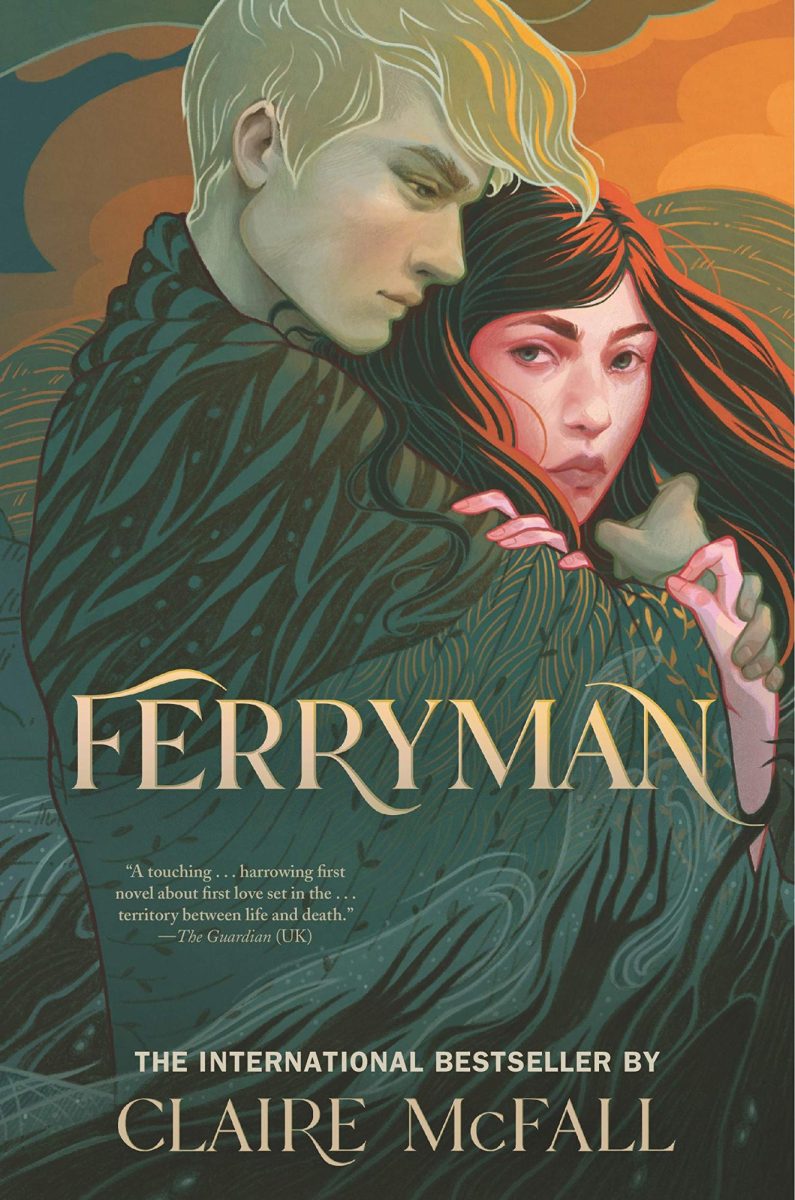
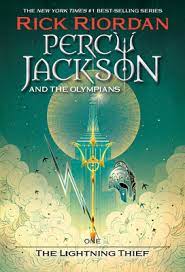
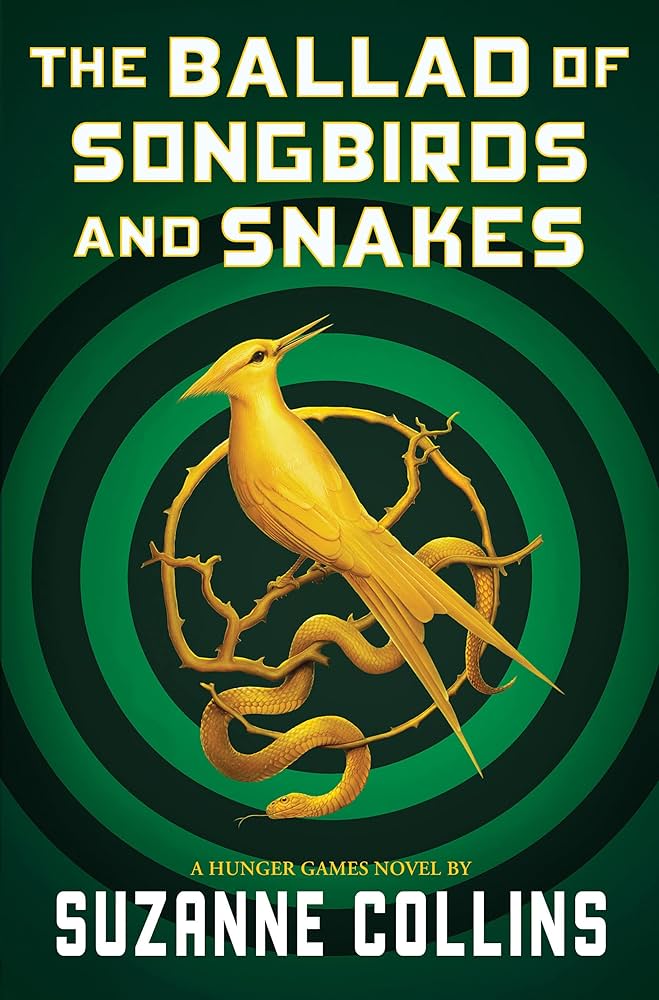
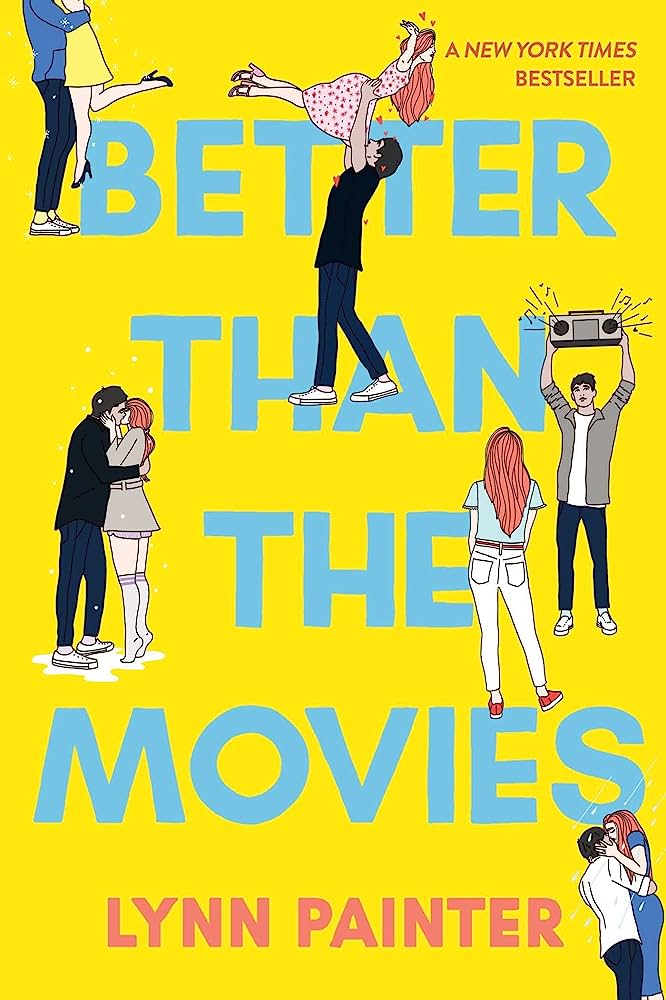
Whilst some works preceded it, Twilight arrived at the right moment when the young adult market was expanding and helped prove how popular a teen-centered romance could be. Its successes demonstrated that stories centered on young women’s emotional lives could dominate not just in publishing, but also in film, merchandising, and the internet. In doing so, it reshaped industry expectations and opened space for countless successors that followed its template. That includes the intense romance, its aesthetics, and a touch of the supernatural.
As a result, Twilight’s legacy is not confined to its era but lives in the ripple effects it left behind. In the communities it had built, the genres it popularized, and the ongoing conversations that continue to reinterpret it. Its endurance reflects not only nostalgia but also a persistent emotional resonance.