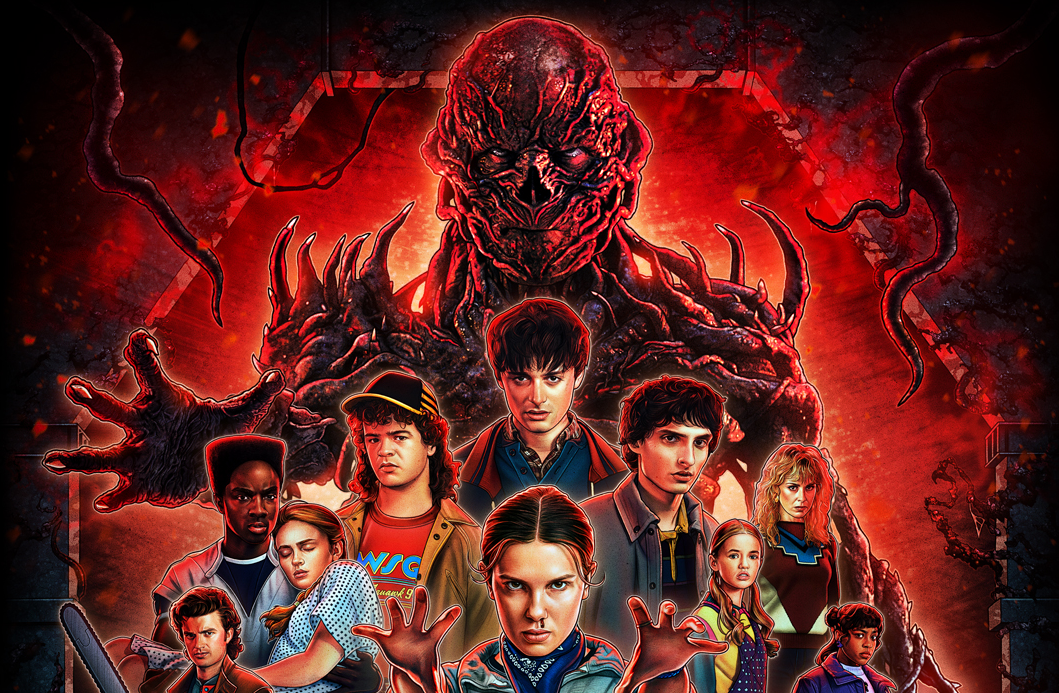
When Stranger Things finally came to an end, it didn’t just mark the conclusion of a beloved series, it also sparked something just as predictable: theories insisting the ending isn’t really the end. Hidden episodes. Secret finales. One last twist waiting to be revealed.
This reaction isn’t new. In fact, it’s become a recognizable pattern in large fandoms when long-running, emotionally significant shows conclude with endings that leave a substantial portion of viewers 9unsatisfied. I call this phenomenon “Narrative Closure Resistance”. My definition beingthe collective refusal to accept an ending that feels emotionally incomplete.
The Pattern: When Endings Aren’t Enough
I have noticed that “Narrative Closure Resistance” tends to emerge when three conditions overlap:
- A long-running show with deep emotional investment
- A massive, highly online fanbase
- An ending that fails to satisfy a loud or numerous portion of viewers
When these conditions align, disappointment often transforms into speculation. Fans don’t just critique the ending, they reject it outright. Instead, replacing it with theories that suggest the real ending hasn’t happened yet.
Rather than accepting dissatisfaction, it becomes more comforting to believe the ending was a trick, a placeholder, or part of a larger plan.
The Johnlock Conspiracy: Sherlock
One of the most infamous examples of this phenomenon occurred after the BBC’s “Sherlock” ended in 2017. A large segment of the fandom believed that the show’s creators were hiding a secret fourth episode or alternate finale. one that would validate fan theories, particularly surrounding the relationship between John Watson and Sherlock Holmes.
This belief became known as the Johnlock Conspiracy.
As video essayist Sarah Z explains in her analysis of the situation, the conspiracy wasn’t just about shipping or plot, it was about trust. Many fans had spent years believing the show was playing a long, clever game with its audience. When the ending didn’t deliver what they expected, some fans concluded that the failure itself must be intentional.
Instead of asking, “What if the ending wasn’t good?” the theory asked, “What if this isn’t the ending at all?”
Supernatural and the Hope of Reversal
A similar response followed the finale of Supernatural, a show with a massive, deeply loyal fanbase and a strong concentration of younger viewers who grew up alongside the characters. After an ending that many fans felt contradicted the show’s themes and character arcs, theories emerged suggesting future episodes, alternate universes, or quiet retcons.
Sarah Z notes that in fandoms like Supernatural, speculation often becomes a form of collective coping. When fans feel that an ending undermines years of emotional investment, belief in a hidden continuation can feel less painful than accepting disappointment.
Hope, in this context, becomes a defense mechanism.
Why This Happens (Especially in Big Fandoms)
Large fanbases make it nearly impossible to satisfy everyone. When millions of people engage with a story, interpretations splinter,and disappointment becomes statistically inevitable.
But Narrative Closure Resistance tends to escalate in fandoms with:
- Younger audiences
- Strong online communities
- Heavy reliance on theories, symbolism, and meta-analysis
Younger fans, in particular, often experience these shows as formative. When a series ends poorly or even just ambiguously, it can feel personal. The story didn’t just end ; it failed them.
In that emotional space, conspiracy theories thrive. They offer community, hope, and the illusion of control over an ending that otherwise feels final.
The Conformity Gate and Stranger Things
With Stranger Things, fans are already primed for this response. The show has trained its audience to look for hidden meanings, twists, and layered storytelling. And when the finale failed to meet expectations, of course the theories about secret episodes or alternate endings followed. Not because fans are irrational, but because they care.
Narrative Closure Resistance isn’t about denial. It’s about grief.
And sometimes, believing there’s more story left is easier than accepting that something you loved is truly over.